
The Bar Kokhba Revolt: Last Jewish Uprising & Israeli Legacy

The Bar Kokhba Revolt: The Last Great Jewish Uprising Against Rome
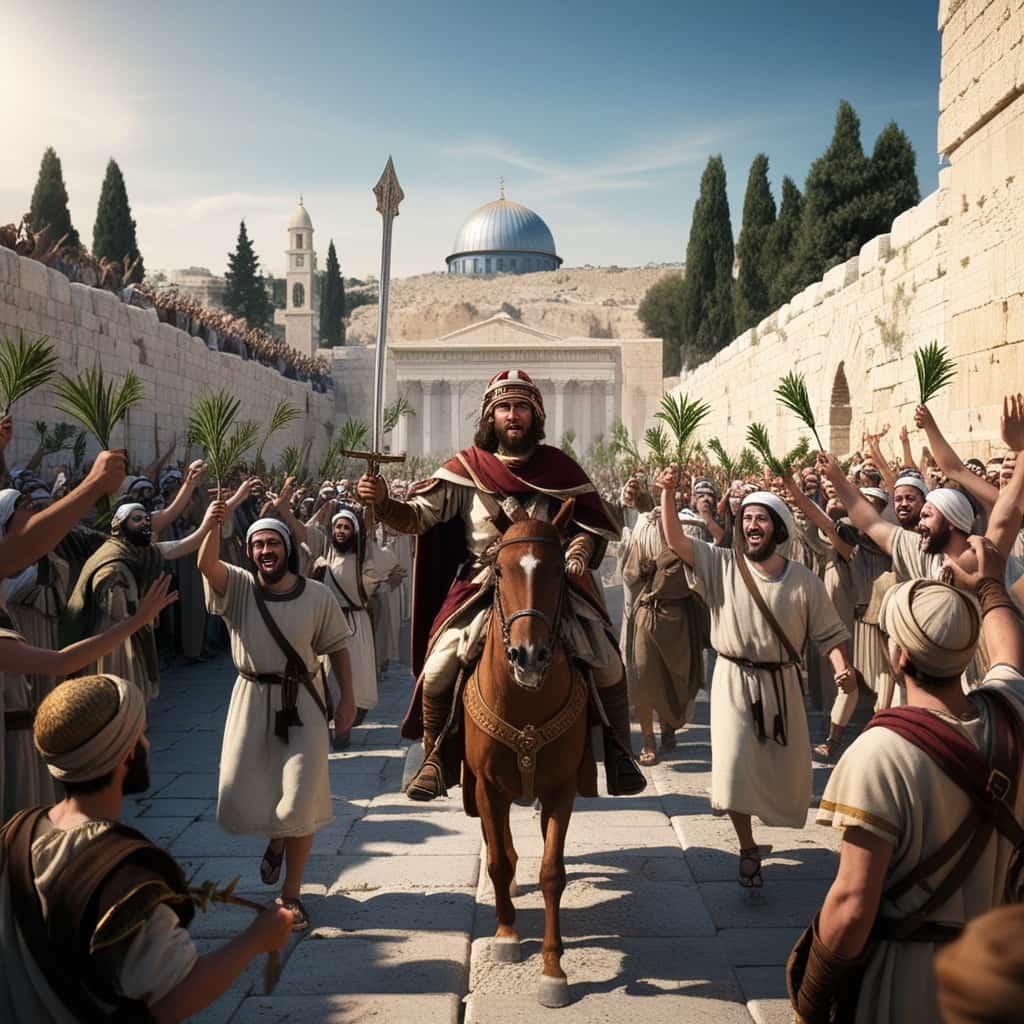
The Bar Kokhba Revolt was the last and most determined Jewish rebellion against the mighty Roman Empire. Taking place between 132 and 136 CE, it was led by Shimon Bar Kusba, a warrior and visionary who inspired his people to rise against unbearable oppression. For nearly four years, the Jewish rebels achieved what seemed impossible, liberating parts of Judea, including Jerusalem and the Temple Mount, minting their own coins, and reestablishing Jewish independence for a brief, shining moment in history.
This uprising was not just a military campaign; it was a fight for faith, identity, and survival. It remains one of the most remarkable examples of Jewish resistance in antiquity and continues to echo as a story of courage and hope.
Origins and Causes of the Bar Kokhba Revolt
The Bar Kokhba Revolt did not erupt spontaneously. It was the culmination of decades of tension, humiliation, and spiritual defiance following the earlier Jewish-Roman wars, including the destruction of Jerusalem and the Second Temple in 70 CE.
After the first revolt, Emperor Hadrian implemented harsh decrees designed to erase Jewish national identity. He forbade circumcision, one of the most sacred Jewish commandments, and announced the reconstruction of Jerusalem as a Roman colony named Aelia Capitolina, dedicated to the pagan god Jupiter.
These policies were perceived as an existential threat to Judaism. When Hadrian ordered a temple to Jupiter to be built on the Temple Mount, it became the final insult. The Jews of Judea could not tolerate this desecration, and thus began the Bar Kokhba Revolt in 132 CE, a desperate yet heroic stand for their faith and freedom.
The Rise of Shimon Bar Kokhba
At the center of this historic struggle stood Shimon Bar Kokhba, whose name means “Son of the Star,” inspired by the prophecy in Numbers 24:17 — “A star shall come out of Jacob.”
Bar Kokhba was a formidable leader: brave, charismatic, and disciplined. Ancient sources describe him as both a masterful warrior and a visionary organizer. Under his leadership, Jewish forces grew from small guerrilla bands into a full-scale army numbering in the hundreds of thousands.
He fortified cities, built underground hideouts and tunnels throughout Judea, and created a secret network of communication between rebel bases. Archaeological discoveries, such as letters written by Bar Kokhba himself found in the Caves of the Judean Desert, such as Beit Guvrin, reveal a skilled commander deeply concerned with logistics, discipline, and morale.
The Role of Rabbi Akiva and the Messianic Hope
The great Rabbi Akiva, one of Judaism’s most revered sages, publicly supported Bar Kokhba and proclaimed him to be the Messiah, believing he was destined to redeem Israel. His endorsement electrified the Jewish population, giving the revolt powerful spiritual momentum.
This messianic hope united the Jewish people across all regions and social classes. To them, Bar Kokhba was not just a warrior! He was a living symbol of divine promise, fulfilling their ancient yearning for redemption and freedom.
The Structure of the Jewish Rebel Army
The Bar Kokhba Revolt was one of the most organized resistance movements in the ancient world. The rebels divided into units led by experienced officers, who were trained in ambush warfare, fortification, and supply chain management.
Weapons were scarce, so the rebels established hundreds of secret workshops that produced swords, spears, arrows, and shields. Punishment for manufacturing weapons under Roman rule was death, yet the Jewish craftsmen continued tirelessly, showing incredible courage.
Their tactics relied heavily on guerrilla warfare, striking Roman legions in surprise attacks before retreating into the hills and caves of Judea. This strategy allowed them to hold off the Roman Empire, the greatest military power, for nearly four years.
Major Battles and Victories Against Rome
Under Bar Kokhba’s leadership, the Jewish army achieved astonishing victories. The Roman Tenth Legion(x), stationed in Jerusalem, was defeated and forced to retreat. Within a year, the rebels had captured nearly 1,000 towns and 50 fortresses, controlling much of Judea, Galilee, and Samaria.
Bar Kokhba even declared himself “Prince of Israel” and minted silver coins inscribed with the words “For the Freedom of Israel”, a proud symbol of restored sovereignty.
For a brief time, it seemed that Jewish independence had been reborn. But Rome could not tolerate such defiance for long. Emperor Hadrian dispatched his most skilled general, Julius Severus, along with six full legions, auxiliary troops, and the Syrian fleet to crush the rebellion.
The Siege and Fall of Beitar
The final and bloodiest chapter of the Bar Kokhba Revolt took place at Beitar, a fortress city southwest of Jerusalem. According to Jewish tradition, Beitar fell on Tisha B’Av, the same date the First and Second Temples were destroyed.
Despite being surrounded and outnumbered, the defenders held out with incredible bravery. Bar Kokhba refused to surrender and died fighting alongside his soldiers. The Romans massacred the survivors, and rivers of blood reportedly flowed through the valley below.
Rabbinic sources mourned the fall of Beitar as one of the greatest tragedies in Jewish history. According to Eusebius, the Roman historian, more than 580,000 Jews were killed, and countless others were sold into slavery. Judea was left devastated, its villages destroyed, and its fields burned.
Aftermath and Consequences
After the revolt, Emperor Hadrian sought to erase all traces of Jewish identity. He renamed Judea “Syria Palaestina”, banned Jews from entering Jerusalem, and built pagan temples over sacred Jewish sites.
The Bar Kokhba Revolt marked the end of Jewish political independence in ancient times. Yet, it also symbolized the undying spirit of the Jewish people, a refusal to surrender their faith or identity, no matter the cost.
Even in defeat, the legacy of Bar Kokhba lived on as a symbol of heroism. His courage inspired Jewish fighters for generations, from medieval resistance movements to the modern struggle for the State of Israel.
The Legacy of the Bar Kokhba Revolt
The story of the Bar Kokhba Revolt is not only about warfare, it’s about faith, endurance, and unity. It represents the Jewish people’s eternal connection to their homeland and their determination to defend it against all odds.
Today, Bar Kokhba is remembered as both a warrior and a national hero. His name is immortalized in Israeli history, literature, and even sports clubs. Archaeological findings—such as coins, letters, and weapons—stand as silent witnesses to one of the most dramatic chapters in Jewish history.
5 Fascinating Facts About the Bar Kokhba Revolt
- Bar Kokhba’s real name was Shimon ben Kosiba. “Bar Kokhba” (“Son of the Star”) was a title given by Rabbi Akiva.
- Bar Kokhba coins were minted over existing Roman coins to symbolize Jewish independence.
- Letters from Bar Kokhba found in the Judean Desert reveal strict orders to his commanders and soldiers, showing his focus on discipline and order.
- The revolt was supported by the entire Jewish population, including women who served as couriers and caregivers.
- The revolt’s failure reshaped Jewish history, leading to the rise of Rabbinic Judaism and a spiritual rather than political form of survival.
FA Questions About the Bar Kokhba Revolt
1. What was the Bar Kokhba Revolt?
The Bar Kokhba Revolt was a major Jewish uprising against the Roman Empire between 132 and 136 CE. It was led by Shimon Bar Kokhba, who aimed to restore Jewish independence after years of Roman oppression. The revolt was sparked by Emperor Hadrian’s ban on circumcision and his plan to build a Roman city (Aelia Capitolina) over Jerusalem, desecrating the sacred site of the Jewish Temple.
2. Who was Shimon Bar Kokhba?
Shimon Bar Kokhba was the charismatic leader of the Jewish revolt. His name means “Son of the Star,” inspired by the prophecy in Numbers 24:17: “A star shall come out of Jacob.”
He was seen by many, including the great sage Rabbi Akiva, as the Messiah who would deliver the Jewish people from Roman rule. Under his leadership, the rebels reclaimed parts of Judea, minted coins, and briefly reestablished Jewish autonomy.
3. What caused the Bar Kokhba Revolt?
The revolt began as a response to severe religious and cultural persecution. Emperor Hadrian’s ban on Jewish practices, especially circumcision, was seen as an attack on Judaism itself. His decision to build a pagan temple to Jupiter on the Temple Mount in Jerusalem was the final provocation that triggered the uprising.
4. How long did the Bar Kokhba Revolt last?
The revolt lasted about four years, from 132 to 136 CE. It began with impressive Jewish victories but ended tragically after a long Roman siege of Beitar, the final rebel stronghold, where Bar Kokhba and his followers were killed.
5. What happened after the Bar Kokhba Revolt?
After the rebellion, the consequences were devastating. Emperor Hadrian destroyed hundreds of towns, banned Jews from Jerusalem, and renamed Judea “Syria Palaestina” to erase Jewish identity. The revolt’s failure ended Jewish political sovereignty for nearly two millennia, but its spirit of resistance endured.
6. Why is the Bar Kokhba Revolt important in Jewish history?
The Bar Kokhba Revolt represents the Jewish people’s unwavering faith and determination to preserve their identity. Despite overwhelming odds, they fought for their land, religion, and freedom. The revolt also marked a turning point, shaping the future of Rabbinic Judaism and Jewish resilience throughout exile.
7. Where did the Bar Kokhba Revolt take place?
The revolt centered in Judea, particularly in the Judean Hills, Jerusalem, and Beitar. Archaeological remains such as hideout caves, fortresses, and Bar Kokhba letters have been discovered throughout the region, revealing how rebels lived and fought during the war.
8. What are some archaeological discoveries from the Bar Kokhba Revolt?
Archaeologists have found coins minted by Bar Kokhba, letters written by him and his commanders, weapons, and ceramic oil lamps in the Judean Desert caves. These findings provide a vivid picture of the daily life, faith, and bravery of the Jewish rebels who defied Rome.
9. What is the meaning of the name “Bar Kokhba”?
The name “Bar Kokhba” means “Son of the Star,” taken from the Biblical prophecy (Numbers 24:17). It was given to him by Rabbi Akiva, symbolizing the hope that he would be the “star” to lead Israel’s redemption. After the revolt’s failure, some rabbinic sources referred to him as “Bar Koziba” (“Son of the Lie”), reflecting the tragedy that followed.
10. Can you visit sites connected to the Bar Kokhba Revolt in Israel today?
Yes! You can explore several archaeological sites and national parks in Israel connected to the Bar Kokhba Revolt:
- Beitar Fortress (Battir area, southwest of Jerusalem)
- Bar Kokhba Caves in the Judean Desert
- Herodium, a stronghold used during the revolt
- Beit Guvrin National Park – with underground hideouts and tunnels used by rebels
Walk in the Footsteps of Bar Kokhba
When you travel through Israel, every stone tells a story, and few are as powerful as the story of the Bar Kokhba Revolt. Visiting the ancient strongholds of Betiar, the Judean Desert caves, and the sacred hills surrounding Jerusalem, you will experience the very places where Jewish history was written in courage and faith.
A private historical tour to these locations invites you to step beyond the pages of history and feel the spirit of Bar Kokhba’s final stand against Rome. Whether you’re passionate about archaeology, Jewish heritage, or the dramatic landscapes of Israel, this journey will bring the revolt to life in a way that no textbook ever could.
ORDER NOW!

SLAVA BAZARSKY
PHONE: +972 53 4779797
Tours in Israel
- 11 Days Jewish Heritage Tour through Israel
- 3-Day Israel Tour for Seniors - Walk Through the Bible
- 3-Day Jewish Heritage Tour of Israel: Unveiling the Rich Tapestry
- 4 Day Israel Tour Package for Seniors - Easy Individual Pace
- 5 Days Jewish Heritage Tour to Israel: A Journey Through History and Spirituality
- 5-Day Israel Private Tour Package For Seniors With Discounts
- 6-Days Israel Private Tour Package for Seniors
- 7 Day Jewish Heritage Tour to Israel: A Holistic Journey
- 7-Day Israel Tour for Seniors: Discovering History and Culture
- 9-Day Jewish Heritage Tour Through Israel
- Best Israel Tours for Seniors lead by #1 private tour guide
- Christian Holy Land Guided Tour of Israel 2026
- Classic Guided Israel Tour
- Holy Land Tours For Seniors From The USA With Price And Reviews
- ISRAEL: OFFICIAL TOURING ENTRY FOR FAMILIES, SMALL GROUPS COVID 19
- Jewish Heritage Guided Tour
- Volunteer and Solidarity Trips to Israel | 2026/2027 Mission Tours
Daily Tours in Israel
- BATTLE LEGACY TOUR
- Best 3-Day Negev Jeep Tour - Mystery of The Israeli Desert
- Best Eilat to Petra 1 Day Private Tour
- BETHLEHEM AND JERICHO PRIVATE DAY TOUR FROM JERUSALEM & TEL AVIV
- CALIBER 3 GUSH ETZION - ULTIMATE ISRAELI MILITARY ADVENTURE
- CHRISTIAN GALILEE TOUR
- CHRISTIAN JERUSALEM TOUR
- CITY OF DAVID AND UNDERGROUND JERUSALEM TOUR
- CLASSIC PRIVATE JERUSALEM TOUR
- Dead Sea and Masada Private Guide Day Tour, Reviews & Price
- Dead Sea and Masada Private Guided Tour for Seniors
- Dead Sea Relaxation Day Tour
- HAIFA, AKKO AND ROSH-HANIKRA TOUR
- Half Day Tour To Bethlehem From Jerusalem With A Local Guide
- Jerusalem Private Tour for Seniors with Cost & Reviews
- Jerusalem Rooftops And Walls Private Tour: History From A Different Angle
- JORDAN RIVER BAPTISM SITE TOUR
- Judean Desert Area Private Tour - Hiking and Off Road Jeep
- Kibbutz Beeri Solidarity Tour - Support and Volunteer
- Kibbutz Nir Oz Solidarity Tour - Witness October 7th Dark Events
- Levinsky Market Ultimate Tasting Private Tour
- Northern Israel Solidarity Tour: Kiryat Shmona, Kibbutzim & Golan Heights
- October 7th Gaza Envelope Memorial Tour from Tel Aviv | Bear Witness
- Private Tour to Nazareth and Capernaum for Seniors
- Private tours of Acre, Caesarea and Haifa from Tel Aviv Israel: Reviews, Price
- Private Tours of Jerusalem and Bethlehem from Tel Aviv Israel: Reviews, Price
- Private Vip Tour Of The Israel Diamond Exchange Center in Ramat Gan
- RAMAT GAN SAFARI PARK TOUR
- SAFED AND GOLAN HEIGHTS TOUR
- Senior-Friendly Private Tour of Caesarea and Haifa
- TEL AVIV AND JAFFA PRIVATE TOUR
- Tour of the Shephelah for Seniors: Beit Govrin, Maresha, Burma Road
- Touring Nova Music Festival Site, Sderot, The Burnt Cars Compound, And Other Sites Around Gaza Strip Following The 7.10.23 Hamas Attack