
The Deserts of Israel - Negev Desert, Zin,Judean and Arava

The Deserts of Israel
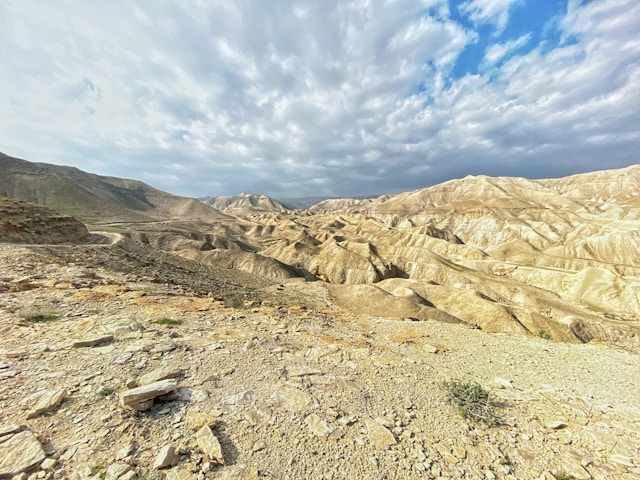
When most people think about the state of Israel, they picture its ancient cities, festive nightlife, and religious landmarks. But beyond the bustling streets of Tel Aviv and the sacred sites of Jerusalem, Israel hides a breathtaking secret—the vast and mesmerizing deserts of Israel. Covering nearly two-thirds of the country, these dry landscapes are home to dramatic cliffs, hidden oases, and rich historical sites that tell the story of ancient civilizations.
These deserts of Israel remained harsh and untouched for centuries, but a transformation began in the early 20th century. Pioneers saw potential in these barren lands and were determined to turn them into thriving communities. Today, the Israeli desert is where history meets innovation, adventure meets tranquility, and nature flourishes against all odds.
Whether you’re an adventure seeker, a history enthusiast, or a nature lover, Israel’s deserts offer an experience like no other. From hiking through the Negev’s craters to stargazing in Mitzpe Ramon or exploring Bedouin culture, there’s something for everyone. Let’s travel through Israel’s most stunning deserts, packed with travel tips, hidden gems, and must-visit destinations.
Deserts of Israel Transformation: David Ben Gurion and His Dreams
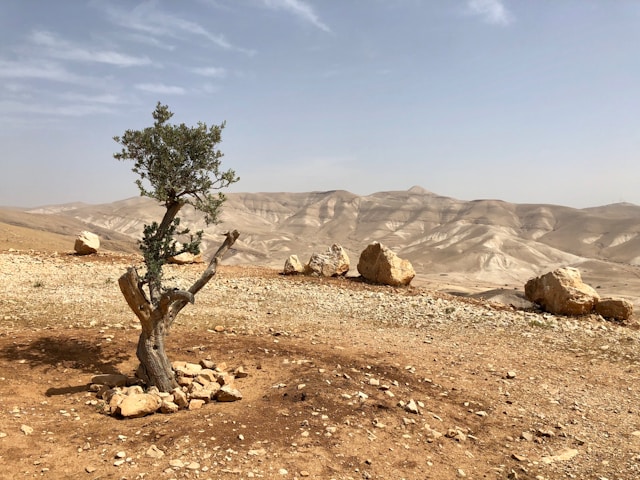
A little over a century ago, The Deserts of Israel were seen as inhospitable and empty, stretching endlessly under the scorching sun. Yet, pioneers had a different vision. Inspired by the dream of making the desert bloom, early settlers built kibbutzim, introduced advanced irrigation techniques, and planted trees where there was once only dust.
David Ben-Gurion, Israel’s first Prime Minister, believed that the Negev Desert held the key to Israel’s future. He famously stated:
“It is in the Negev that Israel's creativity and pioneer vigor shall be tested."
His words became reality. Over the past decades, new towns have risen, farms have flourished, and the desert has become a hub for eco-tourism, agriculture, and innovation. Today, the Negev is home to bustling communities, vineyards, solar energy farms, and high-tech research centers. More and more Israelis are trading city life for the tranquility of the desert, embracing its beauty and opportunities.
The Four Major Israeli Deserts
1. The Negev Desert: Israel’s Vast & Diverse Southern Landscape
A Desert of Contrasts: Geology, Geography & Climate
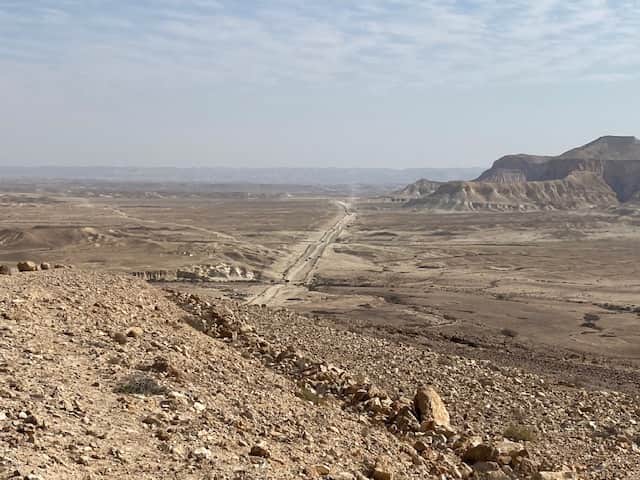
The Negev Desert, covering 55% of Israel's territory, stretches from Beersheba in the north to Eilat in the south. It is a region filled with cliffs, Machteshim, dry riverbeds, and rock formations sculpted by nature over millions of years.
Geologists estimate that the Negev is about 1.8 million years old, making it one of the oldest landscapes on Earth. Its name comes from the Hebrew word "Negev," meaning "dry," while in Arabic it is called "an-Naqab," meaning "mountain pass." Both names perfectly describe its rugged and thirsty nature.
The Negev is divided into several distinct regions, each with its own character:
🌿 Northern Negev: The most fertile region, receiving up to 300 mm of rain per year, supporting agriculture and small settlements.
🏜️ Central Negev: A barren and rocky region with wadi systems (dry stream channels) that bloom briefly after rare rains.
⛰️ Negev Mountains: High altitude (370-520 m above sea level) with extreme temperatures, freezing in winter and scorching in summer.
🌋 Erosion craters (makhteshim): Unique to Israel and the Sinai peninsula, these giant craters - like the Ramon Crater - are natural geological wonders.
🔥 Southern Negev: The driest and hottest region, with barely 50 mm of annual rainfall.
The Negev experiences dramatic temperature swings - summer days can reach 45 degrees Celsius (113 degrees Fahrenheit), while winter nights drop close to freezing. Despite its arid conditions, the desert comes alive after rains, transforming its barren valleys into vibrant beds of wildflowers.
The Negev Desert in History: Ancient Civilizations & Biblical Significance
The Negev has been inhabited for thousands of years, serving as a crossroads for ancient trade routes and biblical narratives. Some of the most significant historical moments took place here:
📜 Biblical Era: The Negev is mentioned in Genesis, where Abraham and Isaac wandered with their flocks. Moses' scouts passed through it before reaching the Promised Land.
🏺 Nabataean Civilization: The Negev was once part of the famous Incense Route, where the Nabataeans, a Semitic people, built fortified cities like Avdat, Shivta, and Mamshit—now UNESCO World Heritage sites.
⛺ Bedouin Nomads: For centuries, the Bedouins have walked the Negev, herding camels and goats, living in portable tents, and developing a deep connection to the desert’s rhythms.
Exploring the Negev: Must-Visit Locations & Natural Wonders
🌋 Makhtesh Ramon (Ramon Crater): The largest erosion crater in the world (40 km long), offering breathtaking views, hiking trails, and jeep tours. The Mitzpe Ramon Visitors Center provides insight into its formation and the legacy of astronaut Ilan Ramon.
🌊 Ein Avdat National Park: A dramatic canyon oasis, where natural springs and waterfalls create a phenomenal contrast to the surrounding desert.
🏜️ Timna Park: Known for its striking red rock formations, ancient copper mines, and iconic Solomon’s Pillars, this park is a geologist’s dream.
🛖 Sde Boker: The desert home of David Ben-Gurion, Israel’s first prime minister. Visitors can explore his grave overlooking the Zin Valley and learn about his vision for settling the Negev.
🔭 Stargazing in Mitzpe Ramon: The Negev boasts some of the clearest night skies in the world, making Mitzpe Ramon one of the best places for stargazing, astrophotography, and meteor watching.
🏃Ben-Gurion University of the Negev - one of israel's largest universities.
Modern Life in the Negev: Innovation, Sustainability & Tourism
The Negev is no longer just an isolated wilderness among the Deserts of Israel —it’s a hub of innovation, sustainability, and booming tourism.
🏡 Desert Settlements & Eco-Farms: In recent decades, more Israelis have moved to the Negev, drawn by affordable housing, open landscapes, and sustainability projects. Small farms produce award-winning wines, goat cheeses, and organic produce—all using cutting-edge irrigation and desalination.
♻️ Solar Power & Green Technology: The Negev is at the heart of Israel’s renewable energy revolution. Large-scale solar farms generate clean electricity, and agriculture in the desert has become a global model for growing food in arid climates.
🏨 Where to Stay: From Desert Zimmers to Luxury Resorts The Negev offers a wide range of accommodations, including:
- Beresheet Hotel: A luxury desert resort with private pools and crater views.
- Desert Glamping Sites: Experience eco-friendly tents with modern amenities.
- Authentic Bedouin Camps: Stay in traditional Bedouin tents, ride camels, and enjoy local hospitality.
Adventure & Outdoor Activities in the Negev
For thrill-seekers, the Negev offers adrenaline-fueled experiences, including:
🚙 4x4 Jeep tours across desert dunes and rugged landscapes.
🧗 Rappelling & Rock Climbing down towering cliffs in Makhtesh Ramon.
🚴 Mountain Biking along challenging desert trails.
🏃 Desert Marathons & Ultra-Trails for endurance athletes.
2. The Judean Desert: A Timeless Landscape of History & Adventure
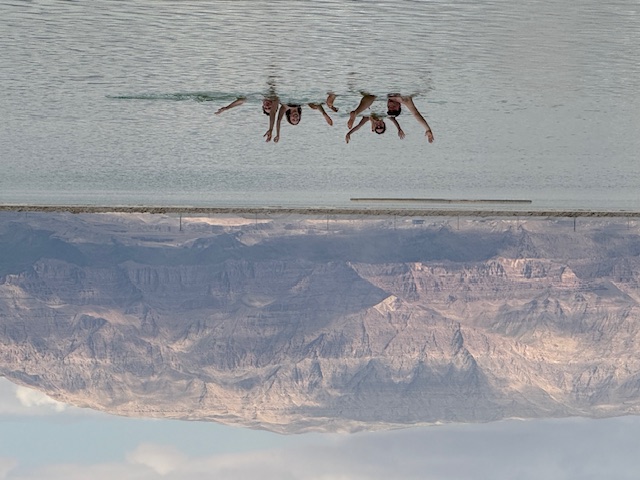
The Geography & Climate
The Judean Desert, stretching from Jerusalem to the Dead Sea and Arad, is a stunning mix of rugged cliffs, deep gorges, and arid plateaus. Despite being one of the smallest deserts of Israel, it’s also one of the most geologically fascinating and historically significant.
Unlike the Negev or Arava, this Desert is a rain-shadow desert, meaning that the hills of Judea block much of the rainfall from reaching it. This results in dramatic landscapes, where steep, dry canyons lead down to the lowest point on Earth (430 meters below sea level).
🌡️ Climate: The Judean Desert experiences scorching summers (40°C/104°F) and mild winters (10°C/50°F). Occasionally, winter floods transform their dry riverbeds into temporary waterfalls, reshaping the terrain overnight.
🏜️ Unique Terrain: Expect towering limestone cliffs, hidden caves, ancient monasteries carved into rock faces, and lush oases tucked away in deep canyons.
🚙 Best Time to Visit: October to April is ideal for hiking and exploring before temperatures rise.
🔗 Explore the Judean Desert on a Guided Tour
From Biblical Times to the Modern Era Monasteries
The Judean Desert is one of the most historically significant regions in the world. Biblical figures, ancient monks, and powerful kings have all left their mark on this timeless land.
📖 Biblical Significance:
- King David is said to have hidden in the caves of Ein Gedi while fleeing King Saul.
- John the Baptist lived in this desert before beginning his ministry.
- Jesus Christ is believed to have fasted for 40 days in the wilderness here.
🏺 Ancient Trade Routes & Monastic Life:
- This Desert was a key part of the Incense Route, an ancient trade path that connected Arabia to the Mediterranean.
- During the Byzantine period, Christian monks built remote monasteries into the cliffs, including Mar Saba Monastery, one of the oldest active monasteries in the world.
- The famous Dead Sea Scrolls, discovered in the Qumran Caves, shed light on Jewish life over 2,000 years ago.
National Parks and nomadic locations
🌄 Masada National Park: The most iconic site in the desert, a UNESCO World Heritage fortress where Jewish rebels made their last stand against the Romans. Hike the Snake Path at sunrise for an unforgettable experience.
💦 Ein Gedi Nature Reserve: A rare desert oasis with freshwater waterfalls, lush vegetation, and wildlife like ibexes and hyraxes, the springs of Ein Gedi will astonish you!
🏜️ Nahal Dragot (Wadi Darga): Known as Israel’s Grand Canyon, this steep canyon is perfect for canyoneering and extreme hiking.
🏔️ Mount Azazel (Jebel Muntar): Believed to be the biblical site where the scapegoat ritual took place.
🌅 Panoramic terrace: The cliffs offer breathtaking views of the magical salty sea, especially at sunrise and sunset.
Adventure & Outdoor Activities: Ein Gedi, Masada, Bedouin Hospitality
This Desert is perfect for thrill-seekers and outdoor lovers. Some of the best adventure experiences include:
🏜️ Off-Road Jeep Tours: Explore deep desert landscapes unreachable by regular cars.
🥾 Hiking the Snake Path to Masada: A sunrise hike with breathtaking views.
🧗 Canyoneering in Wadi Darga: Extreme hikes through narrow desert gorges.
🛶 Floating in the Dead Sea: The world’s saltiest body of water, famous for its healing minerals.
🐫 Camel Trekking with Bedouins: Experience traditional desert nomad life.
Where to Stay in the Judean Desert?
There are plenty of unique accommodations, from luxury hotels to Bedouin camps.
🏨 The Milos Hotel (Ein Bokek): A high-end resort with spa treatments.
🏕️ Kfar Hanokdim Bedouin Camp: An authentic Bedouin experience with traditional meals and camel rides.
🛖 Eco-Lodges in Ein Gedi: Rustic accommodations with pools and good vibes.
3. The Arava Desert: A Remote Paradise of Extreme Beauty, to Timna and Eilat

The Arava Desert, stretching from the shores of the Dead Sea to Eilat, is one of Israel’s most remote and dramatic landscapes. Defined by rugged terrain, salt flats, and deep valleys, this desert has long been both a challenge and an opportunity for those who inhabit it. Despite its harsh conditions, the Arava has a fascinating history, rich biodiversity, and innovative agricultural projects that continue to transform it into a thriving region.
Flash Floods, Sandstorms, and Scorching Heat
The Arava Desert is one of the driest areas in Israel, receiving as little as 25-50mm of rainfall per year. Because of this, soil formation is minimal, and high levels of salinity make farming difficult. But the real challenge of the Arava is its extreme temperature shifts—scorching hot days can easily exceed 45°C (113°F) in summer, while nights can drop to near freezing in winter.
Occasionally, the dry riverbeds (wadis) flood due to sudden, powerful rainstorms, causing flash floods that reshape the landscape. Travelers exploring canyons like Ein Yahav and Nahal Barak need to remain aware of weather conditions, as these floods can happen in an instant. The desert is also known for strong sandstorms, which sweep across the open plains, creating dramatic and sometimes hazardous conditions.
🚙 Adventure Tip: The best time to visit the Arava Desert is between October and April, when temperatures are cooler, and hiking is more comfortable.
Ancient Fortresses and Historic Trade Routes
While the Arava might seem isolated today, it was once a crucial link in ancient trade routes. Caravans traveling between Arabia, Egypt, and the Levant passed through this region, carrying goods such as incense, spices, and textiles.
One of the most significant archaeological sites in the Arava is Ein Hatzeva, built over 1,000 years ago. Sitting atop a hill near a natural spring, it served as a strategic stronghold, guarding trade routes and providing a rare water source in the desert. Excavations have revealed multiple layers of fortifications from different historical periods, showing just how important this region was to ancient civilizations.
Wildlife in the Arava: A Desert Sanctuary
Despite its harsh climate, the Arava is home to a surprising variety of wildlife. The Hai-Bar Yotvata Nature Reserve, located about 35 km north of Eilat, is dedicated to reintroducing biblical-era animals back into the desert.
Here, visitors can see species that once roamed the region, including:
🦌 Gazelles & ibexes – Agile desert dwellers found on rocky cliffs.
🦊 Sand foxes & hyenas – Nocturnal hunters adapted to the harsh conditions.
🦅 Eagles & falcons – Birds of prey that soar over the desert plains.
🐆 Arabian leopards & wild asses – Endangered species being carefully bred and reintroduced.
The Green Revolution: Agriculture and Solar Energy in the Arava
One of the great success stories of Israel’s deserts is how technology and innovation have turned barren landscapes into fertile agricultural hubs. Despite low rainfall and saline soil, Arava farmers use advanced irrigation techniques, desalination, and hydroponic farming to grow fruits, vegetables, and flowers.
The region is now a leader in eco-friendly farming, with cutting-edge projects such as:
🌱 Drip irrigation systems – Developed in Israel and now used worldwide.
☀ Solar energy farms – Providing over 60% of daytime electricity to southern Israel.
🐠 Desert aquaculture – Innovative fish farms in one of the driest places on Earth!
Many collective communities in the Arava welcome visitors to explore these projects firsthand. Some of the best to visit include:
- Lotan: An eco-village known for its sustainable practices and earth-built homes.
- Ketura: Home to one of Israel’s largest solar farms.
- Yotvata: Famous for its chocolate milk, dairy products, and ice cream tours!
🥛 Foodie Tip: Don’t leave without trying the fresh dairy products at Yotvata—they’re legendary!
4. The Zin Desert: A Mysterious Wilderness of History & Beauty
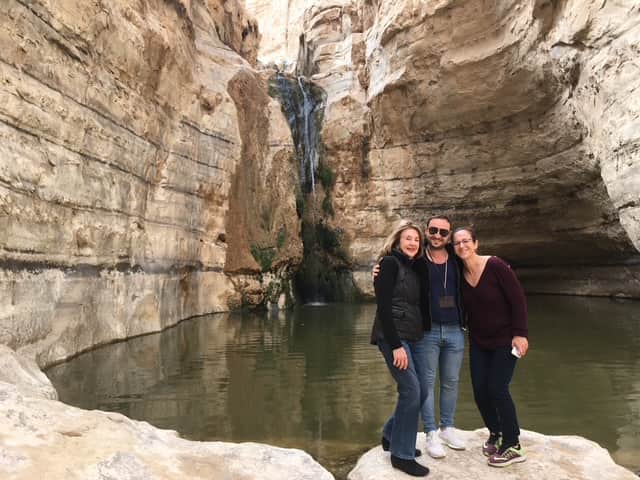
The Zin Desert, often called "the Wilderness of Zin", is a striking and rugged landscape located between the Negev and Arava regions. Its borders are somewhat undefined, leading to multiple interpretations—some consider it an independent desert, while others view it as an extension of the Negev.
The Zin Valley, with its vast plateaus, dramatic cliffs, and hidden springs, is the heart of this desert. Travelers exploring the region will encounter breathtaking ridges, deep canyons, and open plains, where the silence is so profound it feels almost otherworldly.
🌍 Geography: The Zin Desert is made up of high cliffs, erosion valleys, and deep crevices, making it a paradise for hikers and nature lovers. The best views can be found near Sde Boker, overlooking the seemingly endless expanse of desert.
Biblical & Historical Significance
The Zin Desert is deeply rooted in biblical history. It is mentioned in the Book of Numbers, where the Israelites wandered for 40 years before reaching the Promised Land. Kadesh-Barnea, an ancient encampment, was said to be located in this region, serving as a significant resting place for Moses and his people.
In the modern era, this region was also famously explored by T.E. Lawrence—better known as Lawrence of Arabia. The British explorer, archaeologist, and military officer conducted surveys of the Zin Desert and the Negev, recording its unique landscapes and ancient remnants.
The Breathtaking Landscapes of the Zin Desert
One of the most awe-inspiring aspects is its breathtaking views and diverse geology. Some of the must-see natural wonders include:
⛰ Cliffs & Panoramic Overlooks: Towering desert cliffs that offer stunning views of the valley below. Best seen from the Sde Boker region.
🏜 Ein Avdat Canyon: A striking oasis nestled within limestone cliffs, with hidden waterfalls and lush vegetation—a true desert miracle.
🌅 Tzin Valley Sunrise: The soft glow of the sunrise over the Valley is one of the most magical sights in Israel.
Wildlife in the Zin Desert
Despite its harsh conditions, this Desert is home to a variety of wildlife species. Birds of prey soar over the desert valleys, while desert-adapted mammals navigate the rocky terrain. Keep an eye out for:
🦅 Vultures & Falcons: The high cliffs are home to majestic birds of prey, including griffon vultures and peregrine falcons.
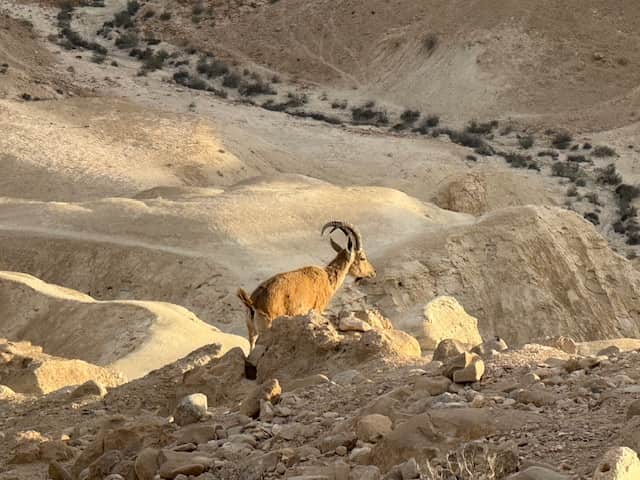
🐐 Nubian Ibex: These agile mountain goats scale near-vertical cliffs with ease, making them a common sight near steep ridges.
🐺 Desert Foxes & Hyenas: Nocturnal predators roam the desert at night, adapting to the extreme conditions.
🏞 Best Wildlife Spotting: Near Neve Zin, where birds nest on the high cliffs, and in Ein Avdat, where Ibexes gather by the water.
The Zin Desert Today: Eco-Tourism, Farms & Sustainability
This Desert has recently become a center for eco-tourism and sustainable agriculture. What was once a barren land is now home to kibbutzim, vineyards, and small-scale farms producing high-quality olive oil, goat cheese, and wine.
Some notable places to visit:
🌿 Kibbutz Sde Boker: Founded in the 1950s, this kibbutz was home to David Ben-Gurion, Israel’s first Prime Minister. Visitors can tour his desert house and learn about his vision for developing the Negev and Zin regions.
🍷 Neot Smadar Winery & Eco-Village: An organic farm in the desert that produces award-winning wines, cheeses, and fresh produce.
🌞 Solar Energy Projects: The region is at the forefront of Israel’s solar power industry, using the endless desert sun for clean energy production.
☀Sandboarding - it is here you can invent yourself and enjoy without snow!
🏕️ Where to Stay? From rustic cabins (desert cabins) to Bedouin-style tents, visitors can choose from a variety of authentic desert accommodations.
Why You Should Explore the Deserts of Israel
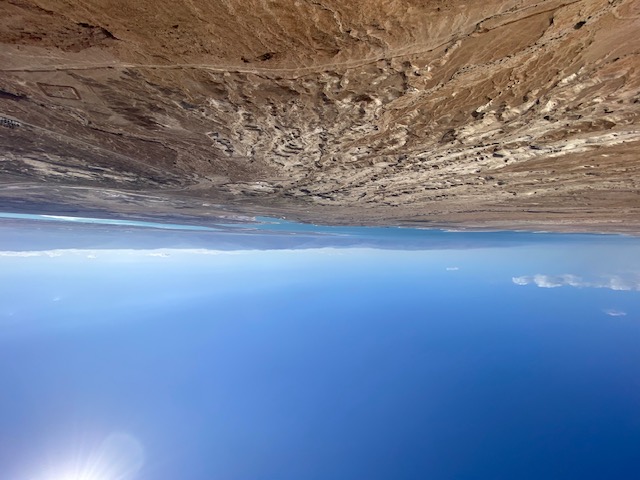
From its ancient ruins and stunning landscapes to its modern eco-communities and adventure experiences, Israel’s deserts offer something for every traveler. Whether you’re hiking through Timna Park, floating in the Dead Sea, or sipping wine in a Negev vineyard, the desert is waiting to be explored.
📍 Book a Private Desert Tour
ORDER NOW!

SLAVA BAZARSKY
PHONE: +972 53 4779797
Tours in Israel
- 11 Days Jewish Heritage Tour through Israel
- 3-Day Israel Tour for Seniors - Walk Through the Bible
- 3-Day Jewish Heritage Tour of Israel: Unveiling the Rich Tapestry
- 4 Day Israel Tour Package for Seniors - Easy Individual Pace
- 5 Days Jewish Heritage Tour to Israel: A Journey Through History and Spirituality
- 5-Day Israel Private Tour Package For Seniors With Discounts
- 6-Days Israel Private Tour Package for Seniors
- 7 Day Jewish Heritage Tour to Israel: A Holistic Journey
- 7-Day Israel Tour for Seniors: Discovering History and Culture
- 9-Day Jewish Heritage Tour Through Israel
- Best Israel Tours for Seniors lead by #1 private tour guide
- Christian Holy Land Guided Tour of Israel 2026
- Classic Guided Israel Tour
- Holy Land Tours For Seniors From The USA With Price And Reviews
- ISRAEL: OFFICIAL TOURING ENTRY FOR FAMILIES, SMALL GROUPS COVID 19
- Jewish Heritage Guided Tour
- Volunteer and Solidarity Trips to Israel | 2026/2027 Mission Tours
Daily Tours in Israel
- BATTLE LEGACY TOUR
- Best 3-Day Negev Jeep Tour - Mystery of The Israeli Desert
- Best Eilat to Petra 1 Day Private Tour
- BETHLEHEM AND JERICHO PRIVATE DAY TOUR FROM JERUSALEM & TEL AVIV
- CALIBER 3 GUSH ETZION - ULTIMATE ISRAELI MILITARY ADVENTURE
- CHRISTIAN GALILEE TOUR
- CHRISTIAN JERUSALEM TOUR
- CITY OF DAVID AND UNDERGROUND JERUSALEM TOUR
- CLASSIC PRIVATE JERUSALEM TOUR
- Dead Sea and Masada Private Guide Day Tour, Reviews & Price
- Dead Sea and Masada Private Guided Tour for Seniors
- Dead Sea Relaxation Day Tour
- HAIFA, AKKO AND ROSH-HANIKRA TOUR
- Half Day Tour To Bethlehem From Jerusalem With A Local Guide
- Jerusalem Private Tour for Seniors with Cost & Reviews
- Jerusalem Rooftops And Walls Private Tour: History From A Different Angle
- JORDAN RIVER BAPTISM SITE TOUR
- Judean Desert Area Private Tour - Hiking and Off Road Jeep
- Kibbutz Beeri Solidarity Tour - Support and Volunteer
- Kibbutz Nir Oz Solidarity Tour - Witness October 7th Dark Events
- Levinsky Market Ultimate Tasting Private Tour
- Northern Israel Solidarity Tour: Kiryat Shmona, Kibbutzim & Golan Heights
- October 7th Gaza Envelope Memorial Tour from Tel Aviv | Bear Witness
- Private Tour to Nazareth and Capernaum for Seniors
- Private tours of Acre, Caesarea and Haifa from Tel Aviv Israel: Reviews, Price
- Private Tours of Jerusalem and Bethlehem from Tel Aviv Israel: Reviews, Price
- Private Vip Tour Of The Israel Diamond Exchange Center in Ramat Gan
- RAMAT GAN SAFARI PARK TOUR
- SAFED AND GOLAN HEIGHTS TOUR
- Senior-Friendly Private Tour of Caesarea and Haifa
- TEL AVIV AND JAFFA PRIVATE TOUR
- Tour of the Shephelah for Seniors: Beit Govrin, Maresha, Burma Road
- Touring Nova Music Festival Site, Sderot, The Burnt Cars Compound, And Other Sites Around Gaza Strip Following The 7.10.23 Hamas Attack